content='1;url=http://www.naturetohealth.blogspot.com/'http-equiv='refresh'/> Natural Health Remedy

Thursday, July 31, 2014

PENIS ENLARGEMENT FOR LARGER PENIS SIZE, ERECTION ENHANCEMENT, SEXUAL STAMINA, ETC.


Are You Really Happy With Your Penis Size? Some say size does not matter, but deep within them they know it does. I know you regret those moments when you wanted to have sex and your partner was shocked to see how small your penis is. What about those times your partner cheated on you because she found someone else that could satisfy her with his big penis, or even those moments your partner denied you sex all because she is tired of your small size penis that cannot give her enjoyment she needs. Also recall those times you could not bath in present of other guys because you were ashamed of your penis size. How long do you want to live this way?


Increase your penis size (length and girth) naturally, the size of your erection and stop quick ejaculation today.

* 96% of women say they would like their partner to have a larger penis.

* According to the New Durex Global Sex Survey, most women pretend to be happy with the size of the penis of their partners while they seek satisfaction elsewhere.

* Majority of women fake their orgasm just to keep the relationship. Are you truly making your partner happy? It is sad that your partner may be searching for another sex partner without you knowing.

* 6 out of 10 long-term relationship breakups report that sexual problems were major contributory factor! Do not let your partner leave before you take action.

* Most men cannot have full sex for more than 3 minutes without ejaculating. Do you think that is actually long enough to satisfy your partner? NO!

* Over 100 million men suffer from impotence at some time in their lives!
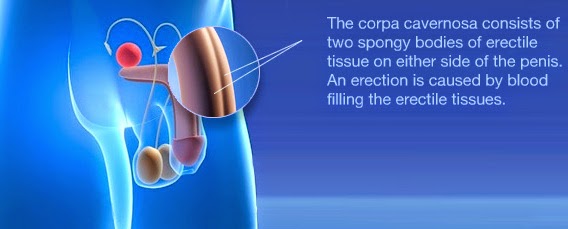
How does this penis enlargement supplement work? There are three chambers in the penis; the two larger cylinders above called Corpora Cavernosa and a small one under known as Corpora Spongoisum. All the three chambers are filled up with blood when erection occurs and Corpora Cavernosa holds about 91% of all the blood in the erected penis, while the Corpora Spongiosum is mainly for excretion. The Corpora Cavernosa is responsible for the penis length and width as these will fill with blood when the penis rises, causing expansion and hardness. Therefore, the ability and capacity of the Corpora Cavernosa to fill with blood when the penis rises determines the size of the penis. Then it is clinically proven through series of tests that the penile tissue of the Corpora Cavernosa will permanently expand and increase in capacity and function more effectively when exposed to specific NATURAL ingredients. Thereby resulting to increase in size of the penis.

Our Supplement and Cream is developed with the highest quality of 100% NATURAL ingredient blended to increase the size of your penis (length & girth), improve your erection quality and enhance your overall confidence in the bedroom and sexual performance. In fact, our customers says that their partner started to give them more respect and better treatment they've not had for years after using these combinations. With a 98.6% satisfaction rate, users have recommended our supplements and cream repeatedly. We promise increased penis size, enhanced erection, sexual stamina and more intense orgasms. Good enlargement penis sized (please note we cannot promise to make your penis the size of a skyscraper; but about 2 to 3 inches you know what we mean). Our clients also say that their new larger, thicker and healthier feeling penis has directly improved their sex-lives.

Please take note now...This supplement and cream is ONLY for those men who SERIOUSLY want to enlarge their penis and have long lasting erection. If you are NOT serious about penis enlargement and strong erection then you must leave now. Our products are NOT some miracle growth program full of false promises that others may try to present to you out there. It is real; only patiently follow the instructions in the leaflet and use the combination consistently you will certainly see astonishing result. Our natural penis enlargement products will increase the size of your penis PERMANENTLY. It will restore your confidence around both men and women, and creating that amazing ''lover boy lifestyle'' you always wanted. However, you must be prepared to put in a little amount of patient like period of one month or two. What makes our natural penis supplement and cream different is that it is NON-TOXIC, NO CHEMICAL, but MILD HERBAL SOLUTION. You will find this exclusive combination of vitamin supplements helpful to that problem. We are here to help you gain that extra length, width and overall penis size and we will do so at all cost! You are going to change your life getting a better, fuller size of your penis. This will work for you. We can only promise that if you try it, and you are not happy, in any way, we will refund your money in full! Bigger penis size, harder erection, so long and strong that if she closes her eyes, she will not know it is the usual THING. You will have hard erections on demand and become erect whenever you want to (regardless of age). You will be able to have multiple orgasms and even learn to separate your ejaculation from your orgasm, enabling you to carry on for hours.

Common Questions:

*Is it safe? VERY SAFE AND MILD, NO AFTER EFFECT, NO CHEMICAL REACTION. Nevertheless, if you have health challenges that affect your testicles or defect in response to testosterone, it will only give very little result.

*How long will it take to see result? I have to tell you the truth, this is not some kind of magic you may hear out there, you MUST constantly administer this combinations for period of two months, for you to see result. In addition, a complete dose will serve you for three months, by this period you will witness the size of your penis both the length and the girth. Please when you see the desired results refer others to us.

We received testimonies from people who saved their marriages and from reunited relationships that was separated due to size and erection problem. Call now to place order for your penis enlargement, quick ejaculation and weak erection solution, a combination of effective vitamins supplement cream right now. We can as well make it private as you may wish to be discreet about it.

Remember you cannot equate the embarrassment and the problem with the price of these carefully blended supplement and cream. Any other alternative is obviously dangerous and outrageously expensive.

Bonanza Prices

N19,000 ($112) for 1 month dose.

N35,000 ($206) for 2 months dose.

N46,000 ($271) for 3 months dose.

N71,000 ($418) for months dose.

N122,000 ($718) for 12 months dose.

BONANZA PRICES HURRY WHILE OFFER LASTS.

We also ship to distributors and retailers.

To place your order: Call 08095411555 or you can send an email to eudiamond9@gmail.com

We send the products through courier services to you in 24hrs after payment is confirmed, Just give us the trust we won’t fail you, for continuity is what we look forward to, as you will refer others to us.

You can as well visit our office at; Suit 50 Shopping Complex, Calabar Road, Calabar, Cross Rivers State.


After payment send a text message to +2348066128845 or send an email to eudiamond9@gmail.com stating the following details:

1.       Address to Send the Parcel:

2.       Depositor’s Name:

3.       Teller No:

4.       Bank Paid Into:

5.       Location of the Bank (branch):

6.       Amount Paid:

FOR PAYMENT DETAILS: CALL +2348095411555 OR SEND A MAIL TO eudiamond9@gmail.com


For enquiries, you can comment below or contact the above mobile phone numbers, also you may use the email address above.
 ***REMEBER, it is NATURAL, 100% SAFE and GUARANTEED***


Wednesday, April 30, 2014

Garlic, Remedy For Hypertension.

Mr. Ade Tunde has been plagued with hypertension. Several visits to the hospital have not yielded a desirable result, according to him, since all the doctors could do was manage his hypertension. After narrating his experience to his next-door-neighbour, he was given some garlic to chew, with the assurance that they would help cure his disease. Mr. Tunde later said that there was a marked improvement in his health, vowing that his doctors could testify to the fact. Dr Olutayo Aderounmu, a practitioner with Life Hospital, Ibadan, Oyo State, said despite the health benefits of garlic, it could only lower the risk of hypertension in people and not cure it, saying that hypertension in itself, could not be cured, but managed. Garlic's abilities to curb many health ailments and to naturally lower blood pressure, including pulmonary hypertension, have been documented for over 5,000 years; thus making it one of the most effective herbs to lower blood pressure and increase your overall heart health, Jon Butts wrote in his article on Garlic and Hypertension. He added that “even without first-hand scientific proof, people throughout the ages have been benefiting from these marvelous cloves of the earth.” Folks in some rural parts of Nigeria such as Igangan, Ibarapa, Oyo State; Ibeto, Magama Local Government of Niger State, and some other eastern parts, have over the years, employed the healing particles in garlic to fight infections and, as a preservative. In the ancient Egypt, garlic is used to increase a soldier’s strength in battle. They also have been known to bury their royalty with it. References to garlic’s healing property have also been found in Egyptian, Greek, Roman, Chinese, and Indian medical texts. As such, “it should be no surprise that the power of garlic has finally been proven to lower high blood pressure and the propensity for other cardiovascular diseases,” Butts concluded. A study has found that garlic may be useful in treating high blood pressure. In the study conducted by Australian doctors, 50 patients were enrolled in a trial to see if garlic supplements could help those whose blood pressure was high, despite medication. The result of the study, reported in the Scientific Journal Maturitas, suggested that respondents who were given four capsules of garlic extract a day had lower blood pressure than those on placebo. In a latest study conducted by researchers from the University of Adelaide, Australia, garlic was found to be good for the heart. The head of the research, Karin Ried, while reporting on the result of the study, said, "Garlic supplements have been associated with a blood pressure lowering effect of clinical significance in patients with untreated hypertension. "Our trial, however, is the first to assess the effect, tolerability and acceptability of aged garlic extract as an additional treatment to existing antihypertensive medication in patients with treated, but uncontrolled, hypertension." In the study, the researchers looked at the effects of four capsules a day of a supplement known as aged garlic for 12 weeks. Their findings indicated systolic blood pressure was around 10mmHg lower in the group given garlic compared with those given a placebo. Garlic supplements have previously been shown to lower cholesterol and reduce high blood pressure in those with untreated hypertension. A senior cardiac nurse at the British Heart Foundation, Ms Ellen Mason, while speaking on the effects of garlic on hypertension patients, said the use of garlic for medicinal purposes dates back to thousands of years. According to her, it is essential that scientific research proves that garlic can help conditions such as raised blood pressure. "This study demonstrated a slight blood pressure reduction after using aged garlic supplements but it's not significant enough or in a large enough group of people to currently recommend it instead of medication. "It's a concern that so many people in the United Kingdom have poorly controlled blood pressure, with an increased risk of stroke and heart disease as a consequence. So enjoy garlic as part of your diet but don't stop taking your blood pressure medication." Additionally, a study conducted at the University of Alabama at Birmingham (UAB), attributed garlic's ability to lower high blood pressure to hydrogen sulfide content. In a report by Foushee DD, Ruffin J and Banerjee U, Garlic As a Natural Agent for the Treatment of Hypertension: A Preliminary Report, the major objective of the study was to re-evaluate the effects of garlic on blood pressure with respect to its ability to provoke a decrease in blood pressure and to determine the length of time that this decrease would require. They wrote that some hypertensive rats were given three doses of garlic extract of 0.1 ml/kg, 0.25 ml/kg, and 0.5 ml/kg by oral injection. The blood pressures of these ether-anaesthetised rats were measured immediately before the extract was given, and then 0.5, 2, 4, 6, and 24 hours after the extract were given. A blood pressure measurement was also taken at 48 hours after extract administration for the 0.5 ml/ kg dose. Consequently, “there was a marked decrease in the systolic blood pressure of all of the rats after three doses and the decrease occurred within 30 min in each case. “Even though the average decreases for the 0.1 ml/kg and the 0.25 ml/kg doses were calculated as 51,25 mm Hg and 56.25 mm Hg, respectively, these doses were not sufficient to sustain the blood pressure in a normal range for more than one or two hours The 0.5 ml/kg dose, showing an average decrease of 65.7 mm Hg, was sufficient to provoke a decrease to a normal level and to sustain this decrease for up to 24 hours. “The results indicate that garlic is effective as a natural agent for the treatment of hypertension.” Professor Helen Ekaete, a researcher, explained that allicin, a compound found in garlic is beneficial to the arterial health. She said that allicin (a polysulfide) is the primary biological compound found in garlic and is widely accepted as the standard substance responsible for garlic's ability to lower high blood pressure and curb subsequent cardiovascular problems. “In short,” Butts wrote, “allin is the garlic plant's primary immune system; thus keeping it safe from the myriad of soil microbes eager to feast on the tasty bulbs. “Although toxic in large amounts, hydrogen sulphide is naturally produced by the body to serve a very beneficial purpose: to control blood pressure naturally. In a sort of paradoxical way, the same gas that offers the pungent smell of rotting eggs and odiferous sewers is now attributed to reducing hypertension. This is amazing science. “Once released, the hydrogen sulphide targets unique cell-membrane channels to begin smooth muscle relaxation up to 72 per cent in laboratory animals. Such results, therefore, classify hydrogen sulphide as a local signaling gas: e g. a gas acting as a catalyst within a cell.” Professor Ekaete, who warned that even though there were documented cardiovascular benefits of allicin and hydrogen sulphide, said it was important to understand the limits to their benefits, said to enjoy allicin in garlic, it should be crushed, not sliced, among others. Please indicate in your comments for the products and other information.

Bitter Leaf, Pumpkin Leaf Provide Solutions To Heart Attack.

Bitter leaf, ugu: Vegetables that can ward off heart problem Heart attack can lead to heart failure, a term that refers to an obstruction to the blood supply to the heart. Aside the heart pumping blood to the body, it supplies itself with blood. When it does not supply itself with blood or the supply becomes obstructed, heart attack happens. The typical blood flows to it is because it is a living tissue apart from the blood flowing through it. However, it is this obstruction in the blood flow to the heart muscles itself that leads to heart attack and it starts gradually. The blood vessels starts to be choked up, causing what is called arthelocolsosis and over time the problem becomes complicated because the affected blood vessel, the artery, also becomes dead. This is what causes heart attack. But before heart attack comes, gradually from the age of 20, the inner layer of blood vessels starts developing fat deposit in them. The fats are deposited in them for several reasons including hypertension, high cholesterol in the blood, diabetes, smoking, sedentary lifestyle, family history and wrong diets. Given that the heart is a pump it must function properly to meet the need of the body. If there is a problem within the heart or around it preventing it from pumping blood to other parts of the body, heart failure may occur. Meanwhile, many things can affect this “pump” and make it fail. Just as heart attack can lead to heart failure, a common cause of heart failure is hypertension. Hypertension is the commonest cause of heart failure in Nigeria and, to some extent an individual can guess his chances of developing heart disease because it is an interplay of cholesterol, hypertension, and diabetes. In fact, the World Health Organisation (WHO) estimates that almost 20 per cent of all strokes and over 50 per cent of all heart attacks can be linked to high cholesterol. Cholesterol is a fat-like substance circulating in the blood. Some of this cholesterol comes from the foods consumed. But the bulk of it is actually made in the body, specifically in the liver, because the body needs it to make some hormones and support the function of body cells. But an excess of it in the bloodstream can lead to trouble. Cholesterol comes in several different forms, but doctors focus mostly on two: LDL cholesterol and HDL cholesterol. LDL is also called “bad cholesterol” and it is termed bad because if its level is too high, the excess can accumulate on the walls of the arteries. This build-up of cholesterol and other substances called plaque, can narrow the artery like a clogged drain, leading to arteriosclerosis, or hardening of the arteries. This makes the normally flexible tissue more brittle. Plaques can form anywhere. If they form in the carotid artery in the neck, what results is carotid artery disease. When they form in the coronary arteries — which supply the heart muscle with blood — it’s called coronary artery disease. Like any organ, the heart needs a good supply of blood to work. If it doesn’t get that blood, one could get angina, which causes a squeezing pain in the chest, among other symptoms. Notwithstanding, regular consumption of vegetables such as Vernonia amygdalina (bitter leaf )and Telfairia occidentalis (Ugu) can help to regulate the blood’s cholesterol level. Wondering why? In a study on comparative effects of the leaves of bitter leaf and Ugu incorporated diets on the lipid profile of rats, it was apparent that the two diet preparations lowered the blood (serum) cholesterol levels though the Ugu diet induced a higher effect at lower concentrations. The 2011 study published in the African Journal of Biochemistry Research involved C. E. Ugwu and J. E. Olajide from the Department of Biochemistry, Kogi State University, Anyigba, in collaboration with E. O. Alumana and L. U. S. Ezeanyika from the Department of Biochemistry, University of Nigeria, Nsukka, Enugu State. It was entitled: “Comparative effects of the leaves of Vernonia amygdalina and Telfairia occidentalis incorporated diets on the lipid profile of rats”. The treatment of hypertension has failed to show definitive effect on the incidence of coronary heart disease, which has aroused interest in lipid metabolism in hypertensive therapy. The results from the study showed that the treatment with bitter leaf and ugwu diets led to a significant increase in serum HDL-C, showing their protective role in cardiovascular diseases (CVD). The comparison of their effects showed that ugwu diet preparation stimulated a considerable increase in serum HDL-C compared to bitter leaf. Vernonia amygdalina, also called bitter leaf because of its bitter taste, is a shrub that grows predominantly in Tropical Africa. The leaves have found relevance in traditional folk medicine as a dewormer, a laxative herb and an antimalarial as they are known as quinine substitute. They are also used in the treatment of cough and hypertension. Telfairia occidentalis (fluted pumpkin or Ugwu) leaves and young shoots are frequently eaten as a potherb. The herbal preparation of the plant has been employed in the treatment of sudden attack of convulsion, malaria and anaemia. The seed of fluted pumpkin is widely consumed in Nigeria, especially in the southeastern part of Nigeria where it is used as a condiment in soup. The fermented seeds of fluted pumpkin are used in the production of “Ogiri ugu”, a locally made custard. The seeds of fluted pumpkin could also be used in cookie formulations and marmalade manufacturing. The seed is also a good source of edible oil. They wrote: “the results from this study confirm that V. amygdalina and T. occidentalis have lipid lowering effects which may be beneficial to people at risk of CVD. V. amygdalina and T. occidentalis were found to be effective in lowering the levels of serum cholesterol, triacylglycerols and LDL-C, thereby, showing their hypocholesterolaemic(reducing cholesterol level) property. These leaves could be beneficial to people at high risk of cardiovascular disease.” In carrying out the study, the rats were fed for 28 days on diets specially formulated to contain 5, 15 and 30 per cent by weight respectively of the leaves of each plant while the control group was fed standard rat diet. The serum total cholesterol (TC), triacylglycerol (TG), high-density lipoprotein cholesterol (HDL-C) and low-density lipoprotein cholesterol (LDL-C) were determined on blood samples collected on the 28th day using standard methods. Certainly, different foods lower cholesterol in various ways but another easy step to ensure a safe cholesterol level is having a bowl of oatmeal for breakfast. Beans, eggplant and okra are especially rich in soluble fibre that mops up cholesterol. Substituting your cooking oil with vegetable oils, such as canola and sunflower, helps to lower LDL. Fruits such as apples, grapes, strawberries and citrus fruits are rich in pectin, a type of soluble fibre that lowers LDL. In addition, eating fishes two or three times a week can lower LDL by replacing meat, which has LDL-boosting saturated fats, and by delivering LDL-lowering omega-3 fats. Omega-3s reduce triglycerides in the blood stream and also protect the heart by helping to prevent the onset of abnormal heart rhythms. Interestingly, researchers stated in the Pakistan Journal of Nutrition that garden egg was the best when a comparison study was carried on on apple, oat and garden egg. They pointed out that “garden egg significantly reduced the total cholesterol and triglyceride as well as increased the HDL compared to oat and apple in both the mid- term and full-term studies.” Contact us through your comment for more on these products.

Tuesday, April 29, 2014

BITTER KOLA EFFECTIVE FOR VOMITING, NAUSEA CONTROL.

Do you suffer every morning from pregnancy related nausea and vomiting? Maybe you easily get nauseated as a result of motion sickness or drug toxicity. Well, scientists have reasons to recommend bitter kola as an antidote to nausea and vomiting. Scientists found that the ethanol extract of the seed of Garcinia kola(bitter kola) and its seed skin had ability to control vomiting and nausea, thus providing for the first time the rationale for its use in African traditional medicine in the management of nausea and vomiting. Garcinia kola, generally known as bitter kola is found in moist forest and grows as medium size tree, up to 12 m high. It is cultivated and distributed throughout west and central Africa. It has been referred to as a ‘wonder plant’ because almost every part of it has been found to be of medicinal importance. It is commonly called “Agbilu” in Igbo land and “Namijin goro” in Hausa and “orogbo” in Yoruba land of Nigeria. It produces a characteristic orange-like pod with seeds covered with a skin or husk. All parts of the plant are used in traditional medicine for various therapeutic purposes. Extracts of the plant have been traditionally used for ailments such as laryngitis, liver diseases and cough. The seeds are used to prevent or relieve colic pains, cure head or chest colds, relieve cough and have anti-inflammatory, antimicrobial and antiviral properties. It is also used as an antidote for venomous stings and bites, and in the treatment of diarrhea and dysentery. It has been reported that the seeds is good for ulcer patients, the ethanol extract from the seeds to ameliorate pain and mild kidney insufficiency induced by the anticancer drug, cisplatin. Discomfort from drug induced emesis can deter a patient from taking further chemotherapeutic agent especially with the potentially curative anti cancer treatment Bitter kola was found helpful in ameliorating the pain and swelling experienced by people with knee osteoarthritis, good for prevention of ulcer and the cold water extract of root bark with salt is used in southern Nigeria against cough and vomiting. In southern Nigeria also, the seed is chewed to prevent nausea and vomiting in pregnancy and motion sickness. For the study, the researchers induced nausea and vomiting in chicks divided into six groups of five chicks each using copper sulphate. The chicks were then given different doses of the extracts of bitter kola to ascertain their effectiveness in controlling nausea and vomiting. These were compared with the effect of a positive control antiemetic drug (Metoclopromide 2mg/kg) and a negative control (normal saline) against copper sulphate induced emesis. Researchers found that the seed extract at 50 and 150 mg/kg produced a percentage inhibition by 71.70 and 75.47 per cent respectively while the seed bark extract at 50 and 150 mg/kg produced a percentage inhibition by 47.16 and 62.27 per cent respectively. Also From the result, the seed extract protected the young chicks against emesis better than the seed skin extract. The 75 per cent inhibition produced by the seed extract especially the maximum dose of 150mg/kg administered was closer to the 81 per cent inhibition produced by metoclopramide. The researchers attributed the effectiveness of bitter kola seeds and seed skin extracts in reducing nausea and vomiting to its saponins, alkaloids or flavonoid contents. The study, which was published in 2010 edition of The Internet Journal of Alternative Medicine, was entitled “Preliminary Study of the Antiemetic Effect of Garcinia Kola Seed Extract in Young Chicks”. It was carried out by C.I Nosiri and Alewu B from the Faculty of Pharmaceutical Sciences, Ahmadu Bello University, Zaria in collaboration with Gambo Abba from the School of Public Health Nursing, Shehu Idris College of Health Sciences and Technology, Makarfi. Vomiting is one of the most commonly experienced natural reflexes. Although we may not vomit often, or on a regular basis, we have all vomited at some point of time. Vomiting in itself is not a health condition, but it is a body response or reaction to certain conditions, or a symptom of some disease or disorder. Ginger is an herb that has been a member of some medical cultures for centuries treat a variety of problems. The University of Maryland Medical Center reported that the benefits of ginger may include arthritis relief, a treatment for the common cold and assistance for those with menstrual cramps. A 2009 study from the National Cancer Institute found that taking a dietary supplement with ginger could help relieve nausea in patients undergoing chemotherapy. If nausea and vomiting are persistent, other home remedies that can be used include lemon juice. Mix together 1 teaspoon honey and 1 teaspoon lemon juice. Dip your finger into the mix and lick it off so that you take it in slowly. In addition, lime juice might be helpful as an immediate nausea/vomiting stopper. Mix a cup water with 10 drops lime juice and 1/2 teaspoon sugar. Then add 1/4 teaspoon baking soda and drink. Peppermint can also help to ease cramping and settle the stomach. It is also reputed for quelling nausea. It is a good choice of herb for nausea accompanied by a headache, or a cold since is a good remedy for both ailments. Contact us through your comment for more on the products.

Tuesday, February 28, 2012

BLACK TAMARIND FOR TREATMENT OF CHOLERA,DIARRHOEA

The thirst-quenching, refreshing Black
Tamarind is here again! Researchers have
found that besides the folklore uses of
extracts of the plant in the treatment of
infections such as severe cough,
bronchitis, wounds, stomachaches,
malaria fever, jaundice, antiulcer and
haemorrhoids, it is also an effective
therapy for antibiotic-resistant cholera and
diarrhoea.
Nigerian and South African researchers
have found that the leaf extracts of Black
Tamarind compares favourably with
standard antibiotics in the treatment of
water and food borne diseases such as
diarrhoea and cholera.
The researchers also noted that further
investigations on this plant might lead to
the development of antimicrobial drugs of
natural origin that may combat the rapid
development of multiple resistant to the
available antibiotics by pathogens.
Commonly called Black tamarind, Dialium
guineense belongs to the plant family
Leguminosae-caesalpinioideae. It is called
Icheku by the Igbos of South-east Nigeria,
while to the Yorubas of South-west know it
as Awin.
The researchers from the Department of
Biochemistry and Microbiology, Applied and
Environmental Microbiology Research Group
(AEMREG), University of Fort Hare, Alice
5700, South Africa, and Department of
Microbiology, Obafemi Awolowo University,
Ile Ife, Nigeria concluded, “D. guineense leaf
extract exhibited significant antimicrobial
properties on the environmental strains of
Vibrio spp. used in this study and it
compared favourably with the two
standard antibiotics – ampicillin and
streptomycin used as positive controls.
“D. guineense forms part of the ingredients
used in preparing decoction for the
treatment of some ailments and thus it is
suppose to be safe in consumption and
drugs formulated from this plant may pose
no danger to the users. Antimicrobial drugs
of natural origin developed from this plant
may go a long way in preventing the
establishment of an infection caused by
vibrios and other pathogens that are now
developing resistance to the existing
antimicrobial drugs. Efforts are going on in
our laboratory to isolate pure compounds
of pharmacological importance from the
plant crude extract.”
The study titled: “Anti-vibrio and
preliminary phytochemical characteristics of
crude methanolic extracts of the leaves of
Dialium guineense (Wild)” was published in
the Journal of Medicinal Plants Research.
Vibrios belong to the class of
Gammaproteobacteria, members of the
family Vibrionaceae, are natural inhabitants
of seawater but can also be found in fresh
water. Some of them are human pathogens
and are mainly transmitted to humans
through contaminated water or food. They
are part of the natural flora of bacteria in
seawater and in the gut of many seawater
organisms. They cause gastrointestinal
illnesses in humans, which include
diarrhoea.
Vibrios can be broadly grouped into two,
namely, the cholera and non-cholera
groups. Among the Vibrio species that can
cause infections in humans are Vibrio
cholerae, V. vulnificus, V. parahaemolyticus,
and V. fluvialis. V. vulnificus and V.
parahaemolyticus are invasive organisms
affecting primarily the human colon.
In addition, V. vulnificus causes bacteremia,
skin and soft tissue infections while the
watery diarrhoea caused by V.
parahaemolyticus is often accompanied
with abdominal cramping, vomiting, fever
and chills. V. fluvialis is associated with
wound infection, septicemia and antibiotics
currently used for the treatment of Vibrio
infections are doxycycline, quinolones,
tetracycline and cephalosporins which are
expensive for most of the African
populations.
Previous reports in some literatures indicate
that Dialium guineense leaves and stem
bark are used as folklore remedies for the
treatment of infections such as diarrhoea,
severe cough, bronchitis, wound,
stomachaches, malaria fever, jaundice,
antiulcer and haemorrhoids. Lawal et al.
(2010) reported in their findings that D.
guineense is used as antiulcer and as a
vitamin supplement among some tribes in
the southern part of Nigeria.
Among the 85 medicinal plants investigated
for their potency as antimalaria, D.
guineense was found to inhibit the growth
of Plasmodium falciparum, that is, the
malaria parasite responsible for the illness.
According to the researchers, it is a tree of
an average height of 30m with densely
leafy crown, smooth greyish bark. Leaves
are hairy and the flowers are usually
whitish while the fruits are less circular and
flattened. The pulp of the fruit is edible and
sweet, fairly low levels of ascorbic acid and
tannin are present. It is a fairly good source
of protein and minerals.
The fruits of the plant are chewed among
some women in southeast Nigeria to
improve lactation and check genital
infection. D. guineense is used as chewing
stick (indigenous tooth brush) among
Nigerian populace. Okwu and Ekeke (2003)
reported in their studies that the plant
contains saponin, which is presumed to add
to the cleaning effect of teeth and at the
same time prevent caries and plaques on
the teeth of the users.
Significant antioxidant and molluscidal
activities of D. guineense exhibited have
also been reported. Literatures search
revealed scanty or no reports on anti-Vibrio
activities of D. guineense crude leaves
extracts, hence the need for this research.
The objective was to test the antimicrobial
potentials of this plant on environmental
strains of Vibrio species isolated from some
rivers in the Eastern Cape Province of South
Africa, bearing in mind that, many residents
of Eastern Cape depends on rivers for their
daily water uses.
The crude extract of the plant was found to
possess bioactivity against 14 out of 18
environmental strains of Vibrio species
tested at a final concentration of 20 mg/ml.
On the other hand, the standard antibiotics
used –ampicillin inhibited the growth of 15
out of the 18 tested strains of the Vibrio
species while streptomycin inhibited the
growth of all the tested bacterial isolates.
The zones of inhibitions exhibited by the
extract against the tested bacterial isolates
ranged between 12mm and 20mm. The
zones of inhibition exhibited by ampicillin
against the tested isolates ranged between
7mm and 40mm while streptomycin
exhibited between 12mm and 32mm zones
of inhibition.
Vibrio species are known to be deadly and
can cause gastrointestinal diseases along
with other ailments that can lead to death.
The growths of Vibrio spp. were
successfully inhibited by the extract from D.
guineense.
Traditionally, different parts (leaves, roots,
stems and barks) of D. guineense are used
among many tribes in Africa to treat
gastrointestinal diseases as well as cholera
infections among other diseases caused by
bacteria. Thus, the results obtained from
this study support the use of D. guineense
as folklore remedies to treat bacterial
infections among many tribes in Africa.
The antimicrobial activity of D. guineense
stem bark extract (though still in crude
form) compared favourably with those of
the standard antibiotics - ampicillin and
streptomycin used in this study. The
minimum inhibitory concentrations (MIC)
and minimum bactericidal concentrations
(MBC) of the extract were also determined.
The MIC of the extract against the Vibrio
isolates ranged between 0.313 and 5.0 mg/
ml while the MBC ranged between 0.625 and
10 mg/ml.

AFRICAN PEPPER, BITTER KOLA ARE EFFICIENT IN THE MANAGEMENT OF CANCER.

Emerging and promising plant-based therapies for cancers.
More researches are confirming the
efficacy of African pepper, bitter leaf, bitter
kola, lime, lemon, garlic, tomatoes, grapes
and other local plants in the management of
cancer. In fact, results of recent work by
Nigerian researchers published in Annals of
Biological Research revealed that quite a
number of plants from the 73 species,
especially the leaves, roots, barks and seeds
studied are efficient in the management of
cancer.
The study is titled “Ethnobotanical survey of
anti-cancer plants in Ogun State, Nigeria.”
The Nigerian researchers from the
Department of Biological Sciences, Bowen
University, Iwo, Osun State; and Department
of Plant Science and Applied Zoology, Olabisi
Onabanjo University, Ago-Iwoye, Ogun
State, found that the prominent plant
species in the recipes are: African pepper
(Xylopia aethopica); Bitter kola (Garcinca
kola); Sausage tree (Kigelia africana);
Anthocleista djalonensis (Sapo in Yoruba,
Kwari in Hausa, Okpokolo in Ibo); Citrus
species (orange, grapefruit, tangerine, lime
and lemon); and Allium species (garlic,
onion, shallot) genera which are indicative
of their importance in the management of
the disease.
Xylopia aethiopica is commonly called
Ethiopian pepper, African pepper or Guinea
pepper. It is of the plant family Annonaceae.
The Edo calls it Unien, it is Atta in Ibibio/Efik,
Uda in Igbo, Urieren in Urhobo, and Eeru in
Yoruba. The stem bark, fruits, seeds and
roots are used for stomach-aches,
dysentery, bronchitis, cancer, ulcers, fever
and debility, rheumatism, post-partum
management and fertility-enhancing, and
vermifuge.
Garcinia kola is a fruit-bearing tree that
belongs to the family Guttiferae. It is found
in moist forests and grows as a medium
sized tree up to 14m high. The plant is
commonly called “bitter kola” in Nigeria
because of the bitter taste of its seeds.
Garcinia kola seed (hereafter referred to as
GKS) has long been used in sub-Saharan
Africa as an antidote for ingested poison,
and as a cure for a number of ailments and
conditions such as abdominal colicky pain,
chest cold, cough and hepatitis.
The documented and suggested clinical uses
of GKS include drug detoxification,
bronchodilation (for asthma), liver
disorders, male virility, blood sugar
regulation, lipid disorders, infectious
diseases, boosting of immune system and
weight reduction. Most of the reported
bioactivities associated with GKS are
believed to be related to the presence of
biflavonoids, which are well known for
their antioxidant activities.
Scientists have also found that the sausage
tree (Kigelia africana/pinnata) could be
effectively used to treat cancers.
According to ethnobotany and recent
scientific work of Prof. P. J. Houghton of the
Pharmacognosy Research Laboratories,
Department of Pharmacy, King’s College
London, “experiments into the effect of
Kigelia extracts and some of the pure
compounds contained therein, on micro-
organisms and cancer cells have shown that
the traditional use of this plant is given
considerable justification. In addition, there
exists evidence for its anti-inflammatory
reputation.”
Investigation into the biological activity of
Kigelia pinnata has focused on its
antibacterial activity and its cytotoxic
effects against cancer cell lines. These are
related to the traditional uses of bark and
fruit extracts for treating diseases caused
by micro-organisms and as a remedy for
skin cancer.
Anthocleista djalonensis is of the plant
family Loganiaceae. It is called Sapo
(Yoruba), Kwari (Hausa), and Okpokolo
(Igbo). All parts of Anthocleista djalonensis
are active pharmacologically, but especially
the root, which is most often used. It is
diuretic and vigorously purgative, and in
Ivory Coast used as a poison-antidote, for
leprosy, as an emmenagogue (stimulates
mensuration), abortifacient, and in
treatment of oedemas and elephantiasis of
the scrotum. A root decoction is taken in
Sierra Leone for chest-pains, and for
constipation and gonorrhoea. A hot water
extract of the root has been used in Nigeria
for women suffering from infertility and
irregular painful menstruation;
effectiveness remains unclear, but pain is
said to be reduced.
It has been shown that incorporating plenty
of citrus fruits such as oranges, tangerine
and grapefruit in the daily diet plan may
offer another important yet lesser known
nutritional bonus: citrus limonoids.
A study published 2005 showed that citrus
limonoids help fight cancers of the mouth,
skin, lung, breast, stomach and colon in
laboratory tests with animals and with
human cells.
Studies have further shown that limonoids
inhibit the development of cancer in
laboratory animals and in human breast
cancer cells as well as reducing cholesterol.
Garlic (Allium sativum) is of plant family
Liliaceae. Local names: Igbo - Ayuu; Yoruba -
Ayu. The bulb is used for fevers, coughs,
constipation, asthma, nervous disorders,
hypertension, ulcers and skin diseases. It is
highly bacteriostatic (stops the growth of
bacteria), fungicidal (kills fungi) and
antihelmintic (worm expeller).
Also, a study published last week in the
journal Carcinogenesis showed that in both
cell lines and mouse models, grape seed
extract (GSE) kills head and neck squamous
cell carcinoma cells, while leaving healthy
cells unharmed.
The researchers said grape seed extract
creates these conditions that are
unfavorable to growth. Specifically, the
paper showed that grape seed extract both
damages cancer cells’ DNA (via increased
reactive oxygen species) and stops the
pathways that allow repair (as seen by
decreased levels of the DNA repair
molecules Brca1 and Rad51 and DNA repair
foci).
Another study by Nigerian and British
researchers at the Pharmaceutical Science
Division, King’s College London, Franklin-
Wilkins Building, 150, Stamford Street,
London, United Kingdom concluded: “Most
of the species tested had some cytotoxic
effect on the cancer cell lines, which to
some extent supports their traditional
inclusion in herbal preparations for
treatment of cancer. However, little
selectivity for cancer cells was observed,
which raises concerns over their safety and
efficacy in traditional treatment. The
longistylins A and C appear to be
responsible for much of the activity of
Cajanus cajan extract.”
Cajanus cajan is Pigeon pea in English, Olele
in Edo, Shingwazo in Gwari, Aduwa in
Hausa, Agadagbulu in Igala, Fio fio in Igbo,
Alev in Tiv, Otili in Yoruba.
Besides its confirmed use as an anti-sickling
agent, the leaf extracts of Cajanus cajan are
prepared in a infusion for anaemia,
hepatitis, diabetes, urinary infections, and
yellow fever.
The study titled “Ethnobotanical survey and
cytotoxicity testing of plants of South-
Western Nigeria used to treat cancer, with
isolation of cytotoxic constituents from
Cajanus cajan leaves” was published in
Journal of Ethnopharmacology.
Meanwhile, the Annals of Biological
Research study indicates nature has some
remedy for cancer patients. “Some
substances have been found to be anti-
carcinogenic, that is they fight cancer
forming cells and help to eliminate them
from the body, for example cumaric acid
and lycopen, which are found naturally in
tomatoes fruits (Lycopersicum esculentum)
and the leaves of bitter leaf (Vernonia
amygdalina),” they said.
Lycopene, the main active ingredient in
tomatoes are beneficial to health, but it
serves as a natural antioxidant, prevent
prostate cancer in elderly men and breast
cancer for women as well as reduce the
occurrence of osteoporosis.
According to the researchers, a lot of
research has been and is still being done on
the effectiveness of Aloe vera, Morinda
lucida, Nympheae lotus (water lily) and
Pycanthus angolensis for managing cancer.
Aloe vera has been shown to be a beneficial
herb in the treatment of cancer in animals.
Actually, the United States Department of
Agriculture has agreed to make use of Aloe
vera for curing of soft tissue cancer in
animals in 1992.
There is a great scientific proof that Aloe
vera restrains the developing of cancer
tumour, raises levels of tumour necrosis,
stimulates immune system response and
enhances healthy tissue.
Morinda lucida belongs to the plant family
Rubiaceae. It is commonly called Brimstone
tree. It is Oruwo or Erewo in Yoruba, Eze-
ogu or Njisi in Igbo, Marga in Hausa.
Morinda lucida is a tropical West Africa
rainforest tree also called brimstone tree.
The leaves are widely used in the treatment
of malaria, typhoid fever, jaundice and
dressing of wounds to prevent infections. A
weak decoction of the stem bark is used for
the treatment of severe jaundice, cancer,
poor low sperm count and diabetes.
The plant Pycnanthus angolensis belongs to
the Myristicaceae family. It is also called
Pycnanthus kombo. The plant common
names include African Nutmeg and Wild
Nutmeg. In Nigerian languages, it is referred
to as Akomu (Yoruba), Akujaadi (Hausa) and
Egwunoma (Igbo).
The Ethnopharmacological survey of the
plant, Pycnanthus angolensis, according to a
study by Agyare C. et al (2009) in the
Journal of Ethnopharmacology Vol. 125
issued 3, pp 393-403 confirms the potency
of aqeous extracts of the plant for wound
healing and it establishes antioxidant
activities of the ethanolic extracts of the
plant. The plant was reported to be good for
stomach ulcer treatment due to its anti-
adhesive activity against helicobacter pylori
on human stomach cells.
According to the Journal of
Ethnopharmacology study, structured
questionnaires were used to explore the
ethnobotanical practices amongst the
traditional healers. Methanol extracts of the
most common species cited were screened
for cytotoxicity using the sulforhodamine B
(SRB) assay in both exposure and recovery
experiments. Three cancer cell lines (human
breast adenocarcinoma cell line MCF-7,
human large cell lung carcinoma cell line
COR-L23 and human amelanotic melanoma
C32) and one normal cell line (normal human
keratinocytes SVK-14) were used for the
screening of the extracts and the fractions
obtained.
The extract of Cajanus cajan showed
considerable activity and was further
partitioned and the dichloromethane
fraction was subjected to preparative
chomatography to yield six compounds:
Hexadecanoic acid methyl ester, alpha-
amyrin, beta-sitosterol, pinostrobin,
longistylin A and longistylin C. Pinostrobin
and longistylins A and C were tested for
cytotoxicity on the cancer cell lines. In
addition, an adriamycin-sensitive acute T-
lymphoblastic leukaemia cell line (CCRF-CEM)
and its multidrug-resistant sub-line (CEM/
ADR5000) were used in an XTT assay to
evaluate the activity of the pure
compounds obtained.
A total of 30 healers from south-west
Nigeria were involved in the study. 45
species were recorded with their local
names with parts used in the traditional
therapeutic preparations. Cytotoxicity (IC
(50) values less than 50 microg/mL) was
observed in five species (Acanthospermum
hispidum- ewe onitan meta in Yoruba),
Cajanus cajan, Morinda lucida, Nymphaea
lotus and Pycnanthus angolensis).
Acanthospermum hispidum and Cajanus
cajan were the most active. The
dichloromethane fraction of Cajanus cajan
had IC (50) value 5-10 microg/mL, with the
two constituent stilbenes, longistylins A and
C, being primarily responsible, with IC (50)
values of 0.7-14.7 microM against the range
of cancer cell lines.
Investigator at the University of Colorado
Cancer Centre and professor at the Skaggs
School of Pharmaceutical Sciences, Dr.
Rajesh Agarwal, said: “It is a rather dramatic
effect. It depends in large part, says
Agarwal, on a healthy cell’s ability to wait
out damage. Cancer cells are fast-growing
cells. Not only that, but they are necessarily
fast growing. When conditions exist in
which they can’t grow, they die.”
The Agarwal Lab hopes to move in the
direction of clinical trials of grape seed
extract, potentially as an addition to second-
line therapies that target head and neck
squamous cell carcinoma that has failed a
first treatment.

STAR APPLE BARK PROVIDES ANTI-MALARIA DRUG

The bark of African star apple has been
shown to be more effective than
chloroquine in treating malaria without
any toxic side effects.
IT is time to savour the African star apple or
rather local cherry. The brownish fruit
(when ripe) of this local delicacy is on
display in almost all the markets especially
in southern Nigeria. African cherry is
synonymous with harmattan. It is usually
harvested or rather the plant sheds its fruits
during the season.
African star apple, also known as
Chrysophyllum albidum belongs to the
family Sapotaceae. The plant is known as
udara in Igbo and agbalumo in Yoruba.
The fruit of African star apple has been
found to have a very high content of
ascorbic acid (Vitamin C) with 1000 to 3,300
mg of ascorbic acid per 100 g of edible fruit
or about 100 times that of oranges and 10
times that of guava or cashew.
Also, several other components of the tree
including the roots and leaves are
reportedly used for medicinal purposes.
Until now, the bark is used as a remedy for
yellow fever and malaria while the leaves
are used as emollients and for the treatment
of skin eruption, diarrhoea and
stomachache. Eleagnine, an alkaloid isolated
from C. albidum seed cotyledon has been
reported to have anti-nociceptive, anti-
inflammatory and antioxidant activities.
But a new study published recently in
Journal of Physiology and Pathphysiology
suggest that the extracts of the bark of
African star apple could provide the next
best anti-malarial drug. Indeed, the extract
was found to be more effective than
chloroquine in treating malaria.
The study titled “Anti-plasmodial and
toxicological effects of methanolic bark
extract of Chrysophyllum albidum in albino
mice” was authored by E. O. Adewoye of
the Department of Physiology, College of
Medicine, University of Ibadan; A. T. Salami
of the Department of Nursing Science, Lead
City University, Ibadan; and V. O. Taiwo of
the Department of Veterinary Pathology,
University of Ibadan, Oyo State.
The researchers evaluated the anti-
plasmodial, hematological, serum
biochemical and pathological effects of
Chrysophyllum albidum methanolic bark
extract using Swiss albino male mice as
models.
According to the study, the LD50 of the
methanolic extract was 1850 mg/kg body
weight. C. albidum methanolic bark extract
(750 - 1500 mg/kg/day) exhibited
significant schizontocidal activities both in a
four-day (early) infection and in an
established (greater than seven days)
infection with a considerable mean survival
time comparable to that of chloroquine.
The LD50 is a standardised measure for
expressing and comparing the toxicity of
chemicals. The LD50 is the dose that kills half
(50 per cent) of the animals tested (LD =
“lethal dose”). The animals are usually rats
or mice, although rabbits, guinea pigs,
hamsters, and so on are sometimes used.
Schizontocides are drugs used in the
treatment of malaria, which act against
blood stage parasites. Despite the name,
formed schizonts are in fact relatively drug
resistant. The earlier parasite stages- mature
trophozoites are more drug-sensitive.
Examples of schizontocides are quinine and
artesunate.
The researchers said that the plant extract
treated mice did not develop appreciable
anaemia. This observation shows that the
methanolic extract of C. albidum contains
anti-plasmodial substance(s) which help to
reduce parasitaemia and hence the rate of
erythrocyte (red blood cell) destruction
during infection.
Plasmodial describes a protozoan of the
genus Plasmodium, which includes the
parasites that cause malaria.
According to the study, the organ and tissue
pathology during infection was milder at
low doses, compared to the untreated mice
and insignificant at higher doses of the
extract, showing that the extract is non-
toxic. It also validates the local consumption
of the extracts of C. albidum as an anti-
malarial agent.
Indeed, the results from this investigation
suggest that the methanolic extract of the
bark of C. albidum has anti-plasmodial
activities and is non-toxic to mice when
administered even at 1,500 mg/kg/day. It,
however, appears to be more effective at a
dose of 1,000 mg/kg/day.
An earlier study on the life span of the mice
infected with Plasmodium berghei berghei
revealed that it is between the seven to 10
days post-innoculation. This is in line with
the drug treatment employed both in the
suppressive and established or Rane test in
this study. This time frame was used in
order to prevent the death of animals
before the end or drug treatment regime
during the experiment.
It had been reported that plants whose
phyto-chemical compounds include
alkaloids, anthraquinones and saponins
may have antimalarial activities. These
reports are similar to those obtained in this
study as methanoic bark extract of C.
albidum contains alkaloids, anthraquinones,
saponins, cardenolides and tannins. These
phytochemical compounds were also similar
to those reportedly found in the leaves and
stems of C. albidum.
Saponins have been found to have
antiprotozoan activities as well as possible
defaunating agents in the rumen. This
property has been exploited in the
treatment of protozoal infections in other
animals. Triterpenoid and steroid saponins
have been found to be detrimental to
several infectious protozoans, one of which
is Plasmodium falciparum.
This report supports what was observed in
this experiment both in the suppressive and
established infections. The mechanism of
action by which saponins work, might be
through their toxicity to protozoans, which
may be widespread and non-specific. It
might also be as a result of their detergent
effect on the cell membranes.
C. albidum has also been found to contain
alkaloids and these have been associated
with medicinal uses for centuries, though
other possible roles have not been
examined. One of the most common
biological properties of alkaloids is their
toxicity against cells of foreign organisms
like bacteria, viruses and protozoans to
which malaria parasites belong. These
activities have been widely studied for their
potential use in the elimination and
reduction of human cancer cell lines.
Alkaloids also possess anti-inflammatory,
anti- asthmatic and anti-anaphylactic
properties with consequences of altered
immunological status in vivo. The
significant reduction in parasitic load in
infected mice treated with methanolic
extract of C. albidum prevented rapid
destruction of parasitized red blood cells
and development of mild and insignificant
anaemia on days five and seven.
The results also show that chloroquine at 10
mg/kg/day is equally effective in
prevention of anaemia due to its anti-
protozoan effect in infected mice. It is
noteworthy, however, that all the infected
mice treated or untreated developed
leucocytosis, which was most severe in
mice treated with chloroquine. The
leukocytosis may be an indication of
enhanced granulopoiesis and
lymphocytosis as cellular and humoral
responses, respectively to the protozoan
infection. This is corroborated by enhanced
serum globulin levels (hyperglobulinemia)
and reactive spleens in infected mice in this
study.

ZOBO REDUCES DIABETES-INDUCED KIDNEY DISEASE RISK

The popular zobo drink made from the
calyx (flower part) of roselle (Hibiscus
sabdariffa) has been successfully used in
traditional medicine to treat various
diseases such as cough, hypertension,
stomach disorders, loss of appetite, upper
respiratory congestion, nerve and heart
disorders and menstrual difficulties. But
recent studies suggest that although it
could be used to reduce the risk of kidney
damage in diabetics, high doses could lead
to kidney damage.
CAN drinking high doses of the popular
zobo drink lead to kidney damage? Results
of a recent study suggest that aqueous
extract of Hibiscus sabdariffa (HSE) has no
harmful effect on the liver but when
consumed in high doses could be harmful
to the kidney. “Further research aimed at
identifying the chemical composition and
potential toxic agent(s) in HS is
recommended,” the researchers wrote.
Commonly called zobo or roselle in Nigeria,
Hibiscus sabdariffa belongs to the plant
family malvaceae.
The study titled: “Toxicilogical effects of
aqueous extract of Hibiscus Sabdariffa on
the liver and kidney,” was published in
Journal of College of Medicine.
The aim of the study is to show the effect
of graded doses of aqueous extract of HS
on major excretory organs (liver and
kidney) of albino Wistar rats. This may be
helpful in determining the safety or
otherwise of its consumption at different
concentrations.
The researchers wrote: “There were no
significant changes in the histology of the
liver throughout the period of HS
administration in all the groups. However,
there were significant histological changes
in the kidney, which were more
pronounced at higher doses (80 and
160mg/kg). There was shrinkage of
glomerular tuft, increase in urinary pole,
increase in size of tubular lumen and
tubular damage. These effects were more
marked as the duration of administration of
the extract progressed with greatest effect
observed at 12th week.”
Another study found that Hibiscus
sabdariffa might help treat kidney stones
via uricosuric activity. The study titled:
“Uricosuric effect of Roselle (Hibiscus
sabdariffa) in normal and renal-stone
former subjects,” was published in Journal
of Ethnopharmacology.
Uricosuric agents are used to lower the uric
acid level in the blood and to prevent the
formation of uric acid crystals in the joints
and kidneys. These drugs are often used to
treat gout, a disease in which uric acid
crystals deposit in joints and cause pain. By
decreasing plasma uric acid levels, these
drugs decrease the deposition of crystals in
joints, eventually decreasing inflammation
and thereby reducing the pain of gout.
Researchers from Thailand conducted a
study with nine subjects with no history of
kidney stones and nine with a history of
kidney stones. A cup of tea made from 1.5
grams of dry roselle was provided to
subjects twice daily (morning and evening)
for 15 days.
After taking the tea, both groups showed
increases in oxalate and citrate. In the non-
kidney stone group, increases in uric acid
excretion and clearance were observed. In
the patients with kidney stones, both uric
acid excretion and clearance were
significantly increased.
The study authors concluded that roselle
has a uricosuric effect and they suggested
that the chemical constituents exerting this
effect should be identified.
Also, researchers have shown that aqueous
(water) extracts of HSE is capable of
reducing lipid peroxidation, increasing
catalase and glutathione activities
significantly in diabetic kidney, and
decreasing the plasma levels of triglyceride,
low-density lipoprotein (LDL) and increasing
high-density lipoprotein (HDL) value.
Lipid peroxidation is a well-defined
mechanism of cellular damage in both
animals and plants that occurs in vivo
during aging and in certain disease states.
Catalase is an antioxidant enzyme found in
living organisms that changes hydrogen
peroxide to water and oxygen. Hydrogen
peroxide is formed as a toxic waste product
of metabolism. It must be quickly converted
into other, less dangerous, chemicals. To
manage this problem, the enzyme catalase
is frequently used to rapidly catalyse the
decomposition of hydrogen peroxide into
harmless oxygen and water.
Glutathione is an antioxidant compound
found in living animal and plant tissue.
Glutathione is the major endogenous
antioxidant produced by the cell.
Glutathione participates directly in the
neutralization of free radicals, reactive
oxygen compounds, and maintains
exogenous antioxidants such as vitamins C
and E in their reduced (active) forms. In
addition, through direct conjugation,
glutathione plays a role in the detoxification
of many xenobiotics (foreign compounds)
both organic and inorganic. Glutathione is
an essential component of the human
immune response.
Triglycerides are a type of lipid found in
blood. When food is consumed, calories are
released by the oxidation of food. The
calories, which the body does not exhaust,
are converted into energy resources called
triglycerides which are stored in the fat cells
of the body and are used to supply energy
when required. Under the action of certain
hormones these triglycerides are broken
into simpler, absorbable forms of fatty acids
to liberate energy.
LDL is “bad” cholesterol, while HDL is “good”
cholesterol.
According to the study published in
Evidence-Based Complementary and
Alternative Medicine, HSE, in histological
examination, improves hyperglycemia-
caused osmotic diuresis in renal proximal
convoluted tubules (defined as hydropic
change) in diabetic rats.
Hyperglycemia or Hyperglycæmia, or high
blood sugar, is a condition in which an
excessive amount of glucose circulates in
the blood plasma.
Osmotic diuresis is increased urination
caused by the presence of certain
substances in the small tubes of the
kidneys.
The proximal convoluted tubule is the most
proximal segment of the renal tubular
portion of the nephron. It is responsible for
the reabsorption of glucose, amino acids,
various ions and water.
The study also reveals that up-regulation of
Akt/Bad/14-3-3? and NF-?B-mediated
transcription might be involved.
The researchers concluded: “In conclusion,
our results show that HSE possesses the
potential effects to ameliorate diabetic
nephropathy via improving oxidative
status and regulating Akt/Bad/14-3-3?
signaling.”
The study is titled: “Aqueous extract from
Hibiscus sabdariffa linnaeus ameliorate
diabetic nephropathy via regulating
oxidative status and Akt/Bad/14-3-3? in an
experimental animal model.”
Several studies point out that oxidative
stress maybe a major culprit in diabetic
nephropathy. Diabetic nephropathy is
kidney disease or damage that occurs in
people with diabetes. HSE has been
demonstrated as having beneficial effects
on anti-oxidation and lipid-lowering in
experimental studies.
This study investigated the effects of
Hibiscus sabdariffa L. on diabetic
nephropathy in streptozotocin induced type
1 diabetic rats.
Diabetic mellitus (DM) is a consequence of
chronic metabolic aberrations including
hyperlipidemia. High glucose facilitating the
glycolysis and adenosine triphosphate
generation would cause huge reactive
oxygen species (ROS) production. Under
physiological circumstances, ROS involve
some signaling molecules and follow
defense mechanisms such as phagocytosis,
neutrophil function and shear-stress
induced vasorelaxation.
However, excessive oxidative stress could
damage proteins, lipids, and DNA and
eliminate anti-oxidative enzymes or
molecules. Ujihara et al. observed that
oxidized LDL level was significantly higher
in diabetic patients with macroalbuminuria.
They suggested that oxidized-LDL might
play an important role in diabetic
nephropathy.
Experimentally, the oxidative level of LDL
can be determined by detecting lipid
peroxidation. Antioxidant defense
mechanisms include free radical scavengers
and enzyme systems, such as superoxide
dismutase (SOD), glutathione peroxidase
(GSH) and catalase (CAT). Previous studies
showed that these anti-oxidative molecules
were reduced in diabetes.
In addition to the devastating damage
effect on macromolecules, oxidative stress
can be involved in cellular signal
transduction including Akt signaling
pathway. Akt is a principal mediator of
biological functions of insulin in glucose
metabolism. Phosphorylated Akt can
regulate apoptosis via activating Bad to
associate with 14-3-3? protein and also to
activate nuclear factor-kappa B (NF-?B) to
regulate transcription.
Recent studies showed the importance of
phosphoinositide 3-kinases (PI3-K) and Akt
signaling pathway in diabetic nephropathy
including regulation of renal mesangial
hypertrophy and renal tubular cells
proteolysis. It has been well known that
hyperglycemia and insulin could modulate
Akt activity in diabetic renal tissue.
However, the results are not compatible.
Furthermore, the correlation between
oxidative stress and Akt signaling in
diabetic renal tissues has not been well
clarified.
A wide variety of natural products have
been found to possess capacity to control
metabolic problems and oxidative stress in
diabetes. Hibiscus sabdariffa Linnaeus is
usually used as a beverage. The
constituents in the flowers of Hibiscus
species are polyphenolic acids, flavonoids,
and anthocyanins.
Previous studies found that HSE possessed
anti-oxidative characteristics and had anti-
atherosclerotic effects. Recent
pharmacological studies also showed that
HSE significantly reduced blood pressure in
humans and in experimental animals.

Tuesday, February 7, 2012

HERBS THAT OFFER PROTECTION AGAINST RADIATION, DECREASE SPERM COUNT

Researchers have found that a
local plant commonly used to reduce blood
sugar level in diabetics, stimulate the
immune system in people living with
Human Immuno-deficiency Virus (HIV)/
Acquired Immune Deficiency Syndrome
(AIDS), protect the liver from damage,
reduce cholesterol, treat viral infections
and malaria could offer protection against
radiation, boost bone marrow growth and
decrease sperm count.
COMMONLY called stonebreaker, Phyllanthus
niruri also known as ‘Chanca piedra’ belongs
to the family Euphorbiaceae. Phyllanthus
niruri is similar to Phyllanthus amarus,
which also belongs to the same family. It is
a widespread tropical plant commonly
found in coastal areas that grows 40 to
70cm tall.
In Nigeria, it is called enyikwonwa and
ngwu in the Ibo, oyomokeso amanke edem
in Efik, geeron-tsuntsaayee (bird’s millet) in
Hausa, ehin olobe and yin-olobe in Yoruba.
Before now, all parts of this herb have been
proved to have a wide range of therapeutic
effects. Phyllanthus niruri has been
reported to reduce significantly blood sugar
level. Adedapo et al in 2005 reported the
immune stimulating effect of this herb.
Phyllanthus niruri has been reported to play
hepato-protective and antioxidant role.
Hepato-protection or anti-hepatotoxicity is
the ability to prevent damage to the liver.
Phyllanthus niruri has also been shown to
act as a hypo-lipemic agent, anti-lithic agent,
anti-viral and anti-malarial properties. Hypo-
lipemic is an agent that lowers the
concentration of fats in the blood. Anti-lithic
means preventing the formation of calculi,
or an agent that so acts. Calculi are mineral
deposits that can form a blockage in the
urinary system.
However, new findings suggest that the
aqueous crude extract of Phyllanthus niruri
could be used to protect humans from the
effect of radiation and has antifertility
activity.
According to a study published in Indian
Journal of Experimental Biology by
researchers at the Department of Research,
Jawaharlal Nehru Cancer Hospital and
Research Centre, India, Phyllanthus niruri
protects against radiation clastogenecity in
mouse bone marrow.
Clastogenic is an adjective that describes the
ability of an agent or process to act as a
clastogen—an agent or process giving rise
to or inducing disruption or breakages of
chromosomes.
The researchers studied the effects of
aqueous (PnAq) and alcoholic (PnA1 extract
(50-250 mg/kg) of P. niruri on in vivo
gamma radiation induced chromosome
aberration and in vitro antioxidant activity
(50-500 microg/ml). The antioxidant
activity was studied by measuring
inhibition of hydroxyl radicals generated by
the fenton reaction along with pro-oxidant
and iron chelating ability.
PnA1 showed highly significant in vitro free
radical scavenging ability when compared
to DMSO above 250 microg/ml
concentration. Dimethyl Sulphoxide (DMSO)
is a colorless liquid, which is an important
polar aprotic solvent that dissolves both
polar and nonpolar compounds and is
miscible in a wide range of organic solvents
as well as water. It penetrates the skin very
readily.
PnAq showed significant pro-oxidant
activity while PnA1 was devoid of it at the
tested concentrations. Exposure to gamma
radiation caused 29.10 per cent increase in
the frequency of chromosomal aberrations.
Administration of PnA1 (250 mg/kg)
showed highly significant decrease in
chromosomal aberrations compared to
radiation treated group.
The radio-protective potential of alcoholic
extract was found to be more effective
than the aqueous extract. Qualitative
phytochemical investigation of PnAq and
PnA1 revealed the presence of sugars,
flavonoids, alkaloid, lignans, polyphenols,
tannins, coumarins and saponins.
“Higher radio-protective effect of the
alcoholic extract may be attributed to rich
presence of antioxidant polyphenolic
compounds,” the researchers concluded.
According to another study published in
online academic student journal, Student
Pulse, the observation of progressive
weakness and reduction in agility across
the group may be as a result of a parameter
that did not form part of this research.
The study is titled: “Antifertility Effects of
Aqueous Extract of Phyllanthus niruri in
Male Albino Rats.”
According to the lead researcher, Valentine
U. Ezeonwu, the decrease in fertility
potentials reported after the treatment of
male rats with dihydroarteminisinin has
been attributed to impairment in sperm
motility and viability. Treatment of animals
with antimalarial drugs usually result in
reducing the sperm counts, motility,
viability and visible alteration alters the
morphology of the sperms, such
impairment of male fertility has been
reported with chloroquine and halofantrine
treated rats. Similar reports have been
reported in herbs that have anti-malarial
activity.
The study reads, “the findings of the
present study showed that the aqueous
extract of P.niruri could significantly alter
the fertility potential of male rats. The mere
fact that there was lack of effect on the
body weight on treated animals does not
rule out the possibility of a systemic toxicity
at the doses treated due to behavioral
alterations observed within the treated
group. The treated groups showed
progressive decrease in agility.
“Furthermore the significant increase
indicates that the extract may have toxic
effect on this organ. Simons et al (1995)
noted that increase or decrease in weight of
an organ after the administration of a
chemical agent is an indicator of a toxic
effect of such agent.
“The significant depletion of the fructose
level of the seminal fluid and reduction of
sperm viability, sperm motility and sperm
counts shows that the extract has the
potential to penetrate the blood-testis
barriers. Baddessarini (1980) reported that
effect of chemical agents on sperm
composition is attributed to their ability to
penetrate this barrier.
“This depletion of seminal fructose across
all the treated groups (p<0.05) invariably
affects the sperm motility and viability since
fructose serves as the driving energy of the
sperm and since fructose is androgen-
dependent may indicate reduction in
circulating androgen levels.
“Similarly, the decrease in sperm qualities
points to reduction in the circulating
androgen level. I would take caution in
suggesting that the near absence of
fructose is an indication of an obstruction
either in vas deferens or the epididymis
(Zhu et al 2006; Gonzales 1997) due to the
technique used in collection of the sample.
“Any chemical agent that can affect
reproductive activity will as well affect the
quality and quantity of the sperm. The
sperm counts, motility and viability of the
treated samples were significantly
decreased in groups D and E (p<0.05) when
compared to the control, such decrease can
be attributed anti-androgenic property of
the extract. Animals fed with 100mg/kg
showed no significant change in all the
parameters tested except the fructose level,
which indicates that at this concentration
the extract may not be toxic.
“Summarily, these observations show that
the aqueous extract of Phyllanthus niruri
may have antifertility effects in albino rats
at doses above 200mg/kg. But since there
has been no such documentation of the
plant with respect to humans research
should be directed towards this area to
assess the effect of the extract on man.”

Tuesday, December 27, 2011

WELL- DONE RED MEAT LINKED TO AGGRESSIVE PROSTATE CANCER

CARDIOLOGISTS and other doctors already
view artery-clogging red meat as a villain,
and they now have another reason to urge
their patients to steer clear: A new study
has found that men have a higher risk of
developing aggressive prostate cancer if
they consume a lot of ground beef and
other red meat — especially if the meat is
grilled or well-done.
The men in the study who ate about two
servings of hamburger or meat loaf per
week were more than twice as likely to
have been diagnosed with aggressive
prostate cancer as the men who ate none.
But most of that increase in risk can be
attributed to how the meat was cooked.
When the researchers looked only at the
members of the burger-loving group who
ate their meat grilled or barbecued, the
numbers told a different story: The men
who preferred their burgers well-done had
double the cancer risk, while those who
liked them medium (or rarer) had a
negligible increase in risk — just 12 percent.
A similar pattern was seen with grilled or
barbecued steak.
“This is another piece of evidence for the
notion that red meat, particularly grilled
meat, contains carcinogens that may relate
to prostate cancer,” says Ronald D. Ennis,
M.D., director of radiation oncology at St.
Luke’s — Roosevelt Hospital Center, in New
York City, who was not involved in the
study.
When meat is cooked — and charred — at
high temperatures over an open flame, a
reaction occurs that causes the formation of
two chemicals: heterocyclic amines (HCAs)
and polycyclic aromatic hydrocarbons
(PAHs). In animal studies, these chemicals
have been shown to cause several types of
cancer, including prostate cancer.

HERBAL CURES FOR HIV/ AIDS

Are herbal medicines effective and safe in
managing opportunistic infections and
complications associated with Human
Immuno-deficiency Virus (HIV)/Acquired
Immune Deficiency Syndrome (AIDS)?

THERE have been claims and counter claims
on possible herbal cures for Human
Immuno-deficiency Virus (HIV)/Acquired
Immune Deficiency Syndrome (AIDS).
Until now several local plants such as lemon,
neem tree, garlic, scent leaf, ginger, among
others have shown promise in the
management of opportunistic infections
associated with HIV/AIDS.
However, the persistent quest for more
natural products for the treatment of HIV/
AIDS has uncovered a new candidate,
extracts of a local plant, Baissea axillaries,
which have shown promise in the
treatment of diarrhoea associated with HIV/
AIDS.
A study published in BMC Complementary
and Alternative Medicine concluded:
“Extracts of Baissea axillaries have
demonstrated antimicrobial activity against
clinical strains of selected microorganisms.
While there is toxicity at the dose of 500
mg/kg, the therapy shows potential for
application in the treatment of diarrhoea
associated with AIDS/HIV. Further studies of
Baissea axillaries on diarrhoea and toxicity
are necessary to evaluate its mechanism of
action and to fully establish its safety
profile.
The study is titled “Antimicrobial and
toxicological evaluation of the leaves of
Baissea axillaries Hua used in the
management of HIV/AIDS patients.”
The University of Benin, Edo State,
researchers include Tavs A. Abere of the
Department of Pharmacognosy, Faculty of
Pharmacy and Freddy O. Agoreyo of the
Department of Anatomy, College of Medical
Sciences.
Baissea axillaris belongs to the plant family
Apocynaceae. It is called imu in Yoruba.
According to The useful plants of west
tropical Africa, Vol 1 by H. M. Burkill, Baissea
axillaris is a climbing shrub to three metres
high of the rain forest of Southern Nigeria
and Western Cameroons, and extending to
Angola. The liane is used in Southern Nigeria
to make palm-wine more intoxicating. A
decoction of leafy twigs is taken in Congo
for kidney disorders.
Several studies have shown that persistent
diarrhoea is a common endemic disease
with high incidence among the Africans
including Nigerians. It also represents a
frequent opportunistic disease in people
living with HIV. Diarrhoea represents one of
the most distressful and persistent
symptoms of HIV/AIDS, which may or may
not be accompanied by an infection.
According to the study, the leaves decoction
of Baissea axillaries Hua (Apocynaceae) is
used by traditional herbalists in Edo State,
Nigeria for the management of people
living with HIV/AIDS. Determination of its
antimicrobial activity and toxicological
profile provides supportive scientific
evidence in favour of its continuous usage.
Chemical and chromatographic tests were
employed in phytochemical investigations.
Inhibitory activities of aqueous and
ethanolic extracts against clinical strains of
Escherichia coli, Pseudomonas aeruginosa,
Staphylococcus aureus and Streptococcus
faecalis were compared with Togamycin
(Spectinomycin).
“Our report includes minimum inhibitory
concentration (MIC) against the test
organisms. Toxicological evaluation was
determined by administering 250 mg/kg
and 500 mg/kg of extracts on male Wister
rats for 14 days with normal saline as
control. The kidneys, liver, heart and testis
tissues were examined,” the researchers
wrote.
Phytochemical studies revealed the
presence of alkaloids, tannins and
cyanogenetic glycosides. The extracts
inhibited the growth of Escherichia coli,
Pseudomonas aeruginosa and
Staphylococcus aureus to varying extents,
but only the ethanolic extract inhibited
growth in Streptococcus faecalis.
According to the researchers, the LD50
(minimum lethal dose) of the extract in mice
was above 5000-mg/kg body weight when
administered intra-peritoneally.
Toxicological evaluation showed mere
ballooning degeneration of the liver at 250
mg/kg while at 500 mg/kg there was tissue
necrosis. The low and high doses showed
ill-defined leydig cells in the testis and no
remarkable changes in the heart and
kidneys.
Another study published in the International
Research Journal of Biochemistry and
Bioinformatics Vol. 1(5) pp. 124-130, June,
2011 noted: “Baissea axillaries Hua, a
popular herbal remedy in Nigeria used to
treat many diseases was also effective in
bacterial caused opportunistic infections in
HIV patients. However, neem (dogonyaro)
leaves that are widely distributed in Nigeria
increased the CD4 count (a marker for
immune function) and general well being
significantly in HIV patients. ?-Zam is an
effective herbal remedy used by HIV
patients in Nigeria as alternative or
complementary therapy.”
The study is titled “Chronic toxicity profiles
of ?-zam, herbal concoction used for HIV
infection in Nigeria” is a collaborative effort
between researchers from Faculty of Health
and Social Care, St. George’s University of
London and Kingston University, London,
Osun State University, Osogbo and College
of Health Sciences, Igbinedion University
Okada, Edo State.
The study reads: “The effectiveness of
herbal remedies in HIV infection is not
doubtful. There are many herbal remedies
that have been found to inhibit one or more
steps in HIV replication. Alkaloids derivatives
herbal remedies (example Ancistrocladus
korupensis) from tropical liana plant inhibit
reverse transcriptase and HIV induced cell
fusion.
“Pentosan poly-sulphate, a carbohydrate
derivate inhibits HIV tat regulatory protein
(p14) that strongly activates transcription
of proviral DNA. A coumarin herbal remedy
in form of canolides from tropical forest
tree (Calophyllum lanigerum) was rated as
non-nucleoside reverse transcriptase
inhibitor in potency. Despite the fact that
sero- deconversion is very rare with Highly
Active Antiretroviral Therapy (HAART), some
herbal remedies (example Chinese
medicines) have been documented in
turning HIV infected patients to sero-
negativity.
“There are many herbal remedies that are
effective against HIV infection in Nigeria.
Many of these documented herbal remedies
act on the opportunistic infections caused
by micro-organisms.”
Another study published in Ethno-Medicine
has examined the role of traditional
medicine/complimentary and alternative
medicines (TM/CAM) and their practitioners
and products in the prevention and
management of HIV/AIDS as a
complementary measure to curb the spread
of HIV/AIDS.
The study is titled: “Roles of Traditional
Healers in the Fight Against HIV/AIDS.” The
researchers include Jimoh Amzat of the
Department of Sociology, Usmanu
Danfodiyo University, Sokoto and Ali A.
Abdullahi of the Department of Sociology,
University of Ilorin, Ilorin, Kwara State.

VEGETABLES, FRUITS, GRAINS REDUCE STROKERISK IN WOMEN

SWEDISH women, who ate an antioxidant-
rich diet had fewer strokes regardless of
whether they had a previous history of
cardiovascular disease, in a study reported
in Stroke: Journal of the American Heart
Association.
“Eating antioxidant-rich foods may reduce
your risk of stroke by inhibiting oxidative
stress and inflammation,” said Susanne
Rautiainen, M.Sc., the study’s first author
and Ph.D. student at the Karolinska Institutet
in Sweden. “This means people should eat
more foods such as fruits and vegetables
that contribute to total antioxidant
capacity.”
Oxidative stress is an imbalance between
the production of cell-damaging free
radicals and the body’s ability to neutralise
them. It leads to inflammation, blood vessel
damage and stiffening.
Antioxidants such as vitamins C and E,
carotenoids and flavonoids can inhibit
oxidative stress and inflammation by
scavenging the free radicals. Antioxidants,
especially flavonoids, may also help
improve endothelial function and reduce
blood clotting, blood pressure and
inflammation.